Yes. Ballistol Universal Oil is the product to reach for after a flight on the foreshore: it displaces water, loosens powder residue so it wipes out, and leaves a thin film on the metal that keeps damp off a gun going back into the cabinet. Add Gunex Gun Oil to the action and hinge, whose product page names salty air and splash water, and the gun comes through a winter of wildfowling without the orange freckles that salt leaves behind.
In this guide
Dawn flight on the saltmarsh
Wildfowling is shooting duck and geese on the coast at first light or the evening flight. Below the high-water mark the season runs from 1 September to 20 February, so most of it falls in the coldest, wettest months: a walk out over mud and creeks in the dark, an hour in a gutter behind the sea wall, then back ahead of the tide.
All that time the gun sits in salt air and spray, gets rested on wet mud and handled in wet gloves. It goes back in the car at 2 to 5°C in a soaked slip.
What salt and mud do to a fowling gun
Salt draws moisture from the air, so a gun that dries with salt on it stays damp under a film you cannot see. Rust starts at the muzzle, along the rib and round the hinge pin, often within a day. Estuary mud gets into the ejectors and choke threads, and a choke left in over a wet weekend can seize.
Walnut that stays wet for hours raises its grain and loses its finish at the grip and fore-end. A slip left zipped up wet holds salty damp against the whole gun overnight.
Which product does which job
Cleaning and rust protection: Ballistol Universal Oil. It cleans, lubricates and protects metal in one, is mildly alkaline so it neutralises acidic hand sweat and residues that start rust, and does not resinify, so it stays thin in the action through the season. It also suits wood and smooth leather, so one can covers barrels, stock and sling, and a pack of oil wipes fits a coat pocket.
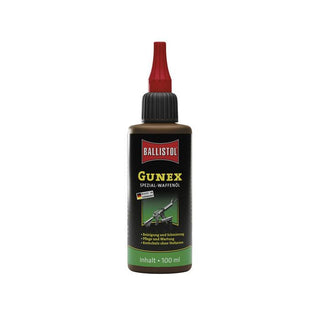
The action, hinge and moving parts: Gunex Gun Oil. Its page lists bright metal, screw joints and linkages exposed to salty air and splash water, and protection from rust and moisture even in wet conditions. A drop on the hinge pin, ejectors and safety catch lasts between cleans.
The bore: FlexClean Bore Cleaning Rope. It comes in 12GA and 20GA sizes, cleans in the direction of fire without stripping the gun, and is designed to work with Ballistol. It lives in a cartridge bag.
Binoculars and scopes: Optics Cleaner. Rinse salt spray off waterproof binoculars with clean water first, then spray the cloth, not the lens. Polished in, it leaves a light anti-fog film. Our page on cleaning a rifle scope and binoculars covers the method.
Back at the car, then at home
Unload first. At the car, wipe the outside with an oil wipe and pull a FlexClean through each barrel while it is still warm. Use a dry slip for the drive home if you have one.
At home, wipe the metal with a cloth dampened in fresh water to lift the salt, then dry it thoroughly. Take out the chokes, clean the threads and oil them lightly. Wipe a thin coat of Universal Oil over barrels and action, leave it a few minutes and wipe off the excess, then a drop of Gunex on the hinge. Rub a little Universal Oil into the stock and buff it. The full routine is in how to clean a shotgun after shooting, and tired walnut is covered in how to oil a gun stock.
Dry the slip open at room temperature, away from a radiator. A leather slip that has stiffened can be brought back with how to soften leather; test a hidden spot first, as light leather can darken.
Cautions
Never clean a loaded gun; check both chambers. The aerosols are flammable, so keep them away from heaters and stoves and work in a ventilated space. Do not hose or soak a gun. A gun dunked in a creek, or with rust under the rib or inside the action, needs a gunsmith's strip and clean. If your choke maker specifies a thread grease, use it. Keep oil off lenses and cartridges, and wipe your hands before loading.
A gun that comes through to February
After the last flight, the muzzles are still bright, the chokes turn out by hand and the hinge opens without grinding. Water beads on the metal. The grip keeps its finish and the slip is supple, not mouldy. A monthly check and light oil keeps it that way until September.
Sea anglers face the same salt; see boat and fishing gear protection from salt water. For the full range for the gun itself, see our gun oil collection.
Buying for a business? See trade prices.
Questions people ask
How do you stop a gun rusting after wildfowling? Wipe the salt and mud off the same day with a cloth dampened in fresh water, dry every surface, then oil the metal with Ballistol Universal Oil and leave a thin film. Pull the barrels through, take the screw-in chokes out to clean and oil the threads, and let the gun dry out of its slip before it goes in the cabinet.
When is the wildfowling season in the UK? For ducks and geese, shooting below the high-water mark of ordinary spring tides runs from 1 September to 20 February. Inland, the season for the same birds ends on 31 January. Check local club and permit rules too.
Should you rinse a shotgun with fresh water after salt spray? Do not hose or soak the gun. Wipe the outside with a cloth dampened in fresh water to lift the salt, dry it straight away, then oil it. Water forced into the action does more harm than the salt.
Can you leave a gun in a wet slip overnight? No. A wet slip holds salty moisture against the barrels and stock all night, which is how rust spots appear by morning. Take the gun out, clean and oil it, and dry the slip open in a warm room, away from direct heat.
Written by Ballistol UK. How we write and check our guides.
This article is general advice. If you're unsure whether a product suits your item, contact Ballistol UK or a qualified professional first, and don't use it until your concerns have been answered.
Buying for a gun shop, club or range? See trade prices