The kettle is the first thing most people reach for on a frosty morning, and it should stay in the kitchen. Hot water can crack cold glass, and what runs into the seals freezes again within minutes.
Knowing how to open a frozen car door without damage comes down to working out what has frozen, breaking the ice rather than the rubber, and treating the seals so it doesn't happen again next week.
Last checked: October 2026
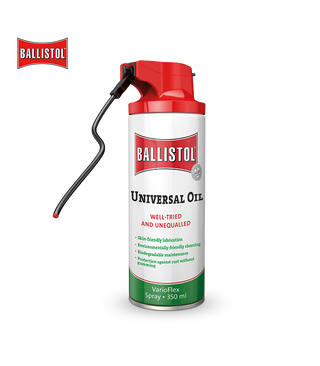
The short version: try every door and the boot first, as one is often free. Press firmly round the edge of the frozen door to crack the ice in the seal, then pull the handle steadily. Once inside, run the heater. Later, wipe the dry seals with a thin film of Ballistol Universal Oil so they don't freeze again.
| Quick facts | |
|---|---|
| Time to open a frozen door | Usually 2 to 10 minutes |
| You'll need | Ballistol Universal Oil (the 75 ml can fits a glovebox), a soft lint-free cloth, lock de-icer, a plastic ice scraper |
| Seal treatment | About 10 minutes for a whole car |
| How often | Every 4 to 6 weeks from November to March, and after every car wash |
| Best time to start | Late October or early November, before the first hard frost |
| Avoid | Hot water, metal tools in the seal, forcing the key, oil on glass or wiper blades |
In this guide
- Why do car doors freeze shut?
- How to open a frozen car door step by step
- What should you never do to a frozen car door?
- How do you unfreeze a frozen car door lock?
- How do you stop car doors freezing shut?
- How often should you treat car door seals in winter?
- How can you tell the seal treatment has worked?
- Questions people ask
Why do car doors freeze shut?
Car doors freeze shut because water gets between the rubber door seal and the body, or into the lock or latch, and turns to ice overnight. Rain or a car wash followed by a clear night below 0°C is the usual cause.
- The seal. The handle moves and the latch clicks, but the door won't budge. This is the most common.
- The lock. The key won't turn, or the central locking clicks and nothing moves.
- The latch. The handle feels slack and the door stays shut from inside and out. Water has frozen inside the door, often because the drain holes along its bottom edge are blocked.
How to open a frozen car door step by step
To open a frozen car door, look for a free door first, crack the ice in the seal with firm pressure, then pull the handle steadily. Most doors open within a couple of minutes without tools.
- Try every door and the boot. The side that caught the morning sun is often free.
- Clear snow and ice from the door edge and handle with a plastic scraper.
- Press firmly with the flat of your hand all along the door edge near the seal. Push in, not out, until you hear the ice crack.
- Pull the handle in one steady movement. Repeated jerking can snap the handle.
- If it won't move, get in through another door and run the heater for 10 to 15 minutes, then push the door outwards from inside with the handle held open.
- Once it opens, wipe the seal and frame dry before you shut it, or it will freeze again at the next stop.
Stay with the car while the engine runs, as the Highway Code says you must not leave a parked vehicle unattended with the engine running. Before you set off, it also says you must clear snow and ice from all your windows; see the Highway Code rules on driving in adverse weather.
What should you never do to a frozen car door?
The mistake that does most damage to a frozen car door is pulling hard while the seal is still stuck. The ice holds the rubber and a strip of seal tears away with the door. Don't chip at the seal with a knife or screwdriver either.
Cars with frameless door windows, common on coupés and some electric cars, drop the glass a few millimetres when you pull the handle. If the glass is frozen into the roof seal, forcing the door can damage the window mechanism, so warm the car first.
How do you unfreeze a frozen car door lock?
A frozen car door lock is best freed with lock de-icer, or by warming the metal key blade in your hand and easing it in, turning gently. If it resists, wait a minute rather than forcing it.
Most keyless cars hide a metal emergency key in the fob and a lock barrel on the driver's door, often under a plastic cap. Find it before the first frost. Once the lock turns, a one-second burst of Universal Oil into the barrel helps keep moisture out, as it creeps into fine gaps. For front doors, sheds and padlocks, see our guide on how to unfreeze a frozen lock at home.
How do you stop car doors freezing shut?
To stop car doors freezing shut, treat the rubber door seals with Ballistol Universal Oil before the frosts start. The thin film keeps the rubber supple and stops water bonding to it, so the door lifts away cleanly instead of sticking.
Ballistol, made by F.W. Klever GmbH in Germany since 1904, lists protecting rubber car door seals in winter among the oil's uses. Test a small hidden section first and check it the next day. Our page on whether Ballistol is safe on plastic, rubber and paint covers which materials to avoid.
- Wipe the seals with warm soapy water on a dry day, then dry them completely.
- Spray two or three one-second bursts of Universal Oil onto a folded cloth, not straight onto the car, so none drifts onto the glass.
- Wipe a thin film all round each door seal, especially the bottom edge, where water sits.
- Leave it 10 minutes, then buff with a dry part of the cloth so nothing feels greasy.
- Do the boot seal and the fuel flap hinge while you're there.
Clear the door drain holes with a cocktail stick. Keep oil off the windscreen and wiper blades, as even a trace makes them smear; if any lands there, see our guide on how to clean windscreen glass inside and out.
How often should you treat car door seals in winter?
Car door seals need treating every 4 to 6 weeks from November to March in most of the UK, and after every car wash or jet wash, because shampoo and pressure washing strip the film off the rubber.
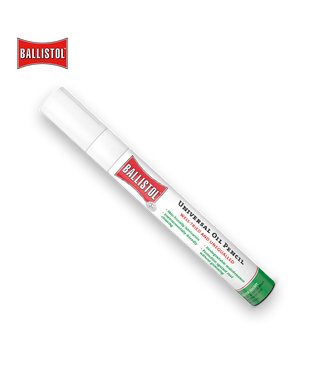
Cars parked near the coast or on high ground may need it monthly. The Universal Oil range runs from a 15 ml oil pen to a 500 ml bottle.
Gritted roads are hard on more than cars. If you walk a dog on them, our guide on how to protect dog paws from road salt and grit covers what to do before and after each walk.
How can you tell the seal treatment has worked?
Car door seals treated properly feel soft and springy, with no greasy residue on your finger. On a frosty morning a treated door opens with a normal pull, and the ice lets go of the rubber cleanly.
Signs you need to do it again: the door sticks for a second before opening, or water no longer beads on the rubber. A cracked or split seal is a job for a garage.
Use aerosols in the open air, away from heaters and flames. Safety data sheets are on our technical data page. For other winter jobs such as battery terminals and hinges, see our car and motorbike care page.
Questions people ask
Can you pour hot water on a frozen car door? No. Hot water can crack cold glass, and what runs into the seal and lock refreezes within minutes. Push the door to crack the ice instead, or let the heater do the work.
Why is my car door frozen shut from the inside? The seal has frozen to the frame or water has frozen in the latch. Run the heater for 10 minutes, then push firmly round the door edge before trying the handle again.
How do you stop car doors freezing shut overnight? Clean and dry the rubber door seals, then wipe on a thin film of an oil suited to rubber so water can't bond to it. Repeat every 4 to 6 weeks from November to March and after every wash.
What should you do if the car door lock is frozen? Use lock de-icer, or warm the key blade in your hand and ease it in, turning gently. Never force it, as a snapped key is a locksmith job.
Do you have to clear ice off every car window before driving? Yes. The Highway Code says you must be able to see, so clear snow and ice from all your windows and make sure your lights and number plates are clean before you set off.
Ballistol Universal Oil keeps rubber door seals supple through the winter and looks after hinges and locks too. For advice on your car, call +44 (0) 7817 267314 or email sales@ballistol.co.uk.
More guides: How to Clean Windscreen Glass · How to Unfreeze a Frozen Lock · How to Clean Car Battery Terminals
Written by Ballistol UK. How we write and check our guides.
This guide is general advice. If you're unsure whether a product suits your item, contact Ballistol UK or a qualified professional first, and don't use it until your concerns have been answered.