A frozen lock nearly always picks the worst morning. The key goes in halfway or not at all. Water got into the lock, the temperature dropped below 0°C overnight, and the pins are now held in ice.
The fix for a frozen lock is gentle heat and patience, never force. Stopping it happening again takes about two minutes with a can of oil.
Last checked: November 2026
The short version: warm the key in your hand or a pocket for a minute, then ease it in and turn it gently, a little at a time. If it won't go in, use lock de-icer or hold something warm against the lock body. Never pour boiling water on it. Once the lock turns, dry it and give the keyway a short burst of Ballistol Universal Oil to protect it.
| Quick facts | |
|---|---|
| Time to free a frozen lock | Usually 2 to 15 minutes |
| You'll need | Lock de-icer, a dry cloth, Ballistol Universal Oil (the small spray cans fit a coat pocket) |
| Works on | Front and back door cylinders, shed and garage locks, gate padlocks, allotment and bike shed padlocks |
| When to protect locks | Late October or early November, then every 2 to 3 months until March |
| Avoid | Boiling water, forcing the key, a flame near an aerosol, thick grease in the keyway |
In this guide
- Why do locks freeze in winter?
- How to unfreeze a frozen lock step by step
- What should you never do to a frozen lock?
- How do you unfreeze a frozen padlock on a shed or gate?
- What if a uPVC front door lock is frozen?
- How do you stop a lock freezing again?
- How can you tell the lock is protected?
- Questions people ask
Why do locks freeze in winter?
A lock freezes when water gets inside the keyway or the padlock body and the temperature falls below 0°C. The ice locks the small pins and springs in place, so the key can't push them into line and the cylinder won't turn.
Rain, melting snow and condensation all get in. Padlocks are worst, because water runs down the shackle into the body and sits there. The Met Office explains that an air frost happens when the air temperature falls below 0°C, which in most of the UK can happen from October to April. Dirty locks freeze more easily, because old grease and grit hold water in the keyway.
How to unfreeze a frozen lock step by step
To unfreeze a frozen lock, warm the key, ease it in and turn it gently, using lock de-icer or warmth on the lock body if it resists. Most frozen locks free up within 5 to 10 minutes this way without damage.
- Hold the key blade tightly in your hand or inside a glove for a minute or two to warm it.
- Push the key in slowly. If it stops partway, take it out, warm it again and retry. Each attempt melts a little more ice.
- Turn the key with light finger pressure, rocking it a few millimetres each way.
- If the key won't go in at all, spray lock de-icer into the keyway, wait 30 seconds and try again.
- No de-icer to hand? Hold a hot water bottle or a cloth warmed on a radiator against the lock body for 2 to 3 minutes.
- Once the lock opens, wipe the key and the keyway dry with a cloth before you close it again.
Lock de-icer melts the ice and evaporates, but it doesn't protect the lock afterwards.
What should you never do to a frozen lock?
The most common mistake with a frozen lock is forcing the key. Brass keys are soft, and a key snapped inside a frozen cylinder means calling a locksmith.
- Boiling water. It runs into the lock and refreezes harder, and can crack cold glass nearby.
- A lighter or blowtorch. A flame can burn your fingers and scorch a uPVC door. Never use one near an aerosol can.
- Thick grease. Grease in a keyway stiffens in the cold and collects grit.
How do you unfreeze a frozen padlock on a shed or gate?
A frozen padlock on a shed, gate or allotment store is freed the same way as a door lock, with more attention to the shackle. Ice usually forms where the shackle drops into the body, so warm the top of the padlock as well as the keyway.
Hold a warm cloth over the body for a couple of minutes, then try the warmed key. If the key turns but the shackle stays put, the ice is in the shackle holes: tap the top lightly with a screwdriver handle and warm it again. A hairdryer on an extension lead helps near the house, but only with an RCD plug and never in rain.
When the padlock opens, give the shackle holes and keyway a one-second burst of Universal Oil, then open and close the shackle five or six times. Hang padlocks keyhole down so rain drains out, and fit a weather cover on an exposed gate. For stiff garage door locks and rollers, see our guide on how to lubricate a garage door.
What if a uPVC front door lock is frozen?
On a uPVC or composite front door, the part that freezes is almost always the euro cylinder lock, the small barrel the key goes into. Warm the key and use de-icer as above. Don't hang on the handle or force it upwards while the cylinder is still frozen.
If the key turns freely but the handle still won't lift, ice isn't the problem. Doors shift a little in cold weather and the multipoint lock may be catching. Lift the handle gently while pushing the door into the frame, and if that fails, call a locksmith rather than forcing the gearbox. The windows have the same kind of locking gear, and our guide to uPVC window maintenance shows how to keep it moving.
How do you stop a lock freezing again?
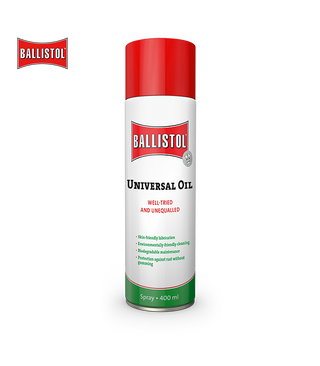
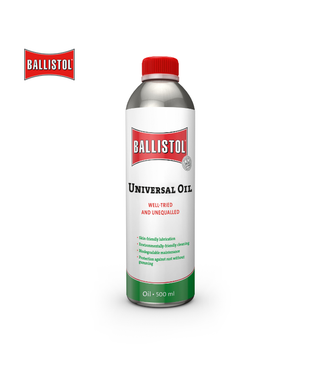
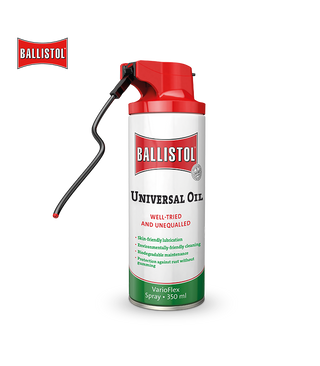
To stop a lock freezing again, dry it out and put a thin film of Ballistol Universal Oil into the keyway and any moving parts before the frosts. The oil creeps into very fine gaps, coats the pins and springs, and protects the metal against corrosion without going sticky.
- On a dry day, blow into the keyway to clear dust and water.
- Spray a one-second burst into the keyway. On a padlock, also spray the shackle holes.
- Push the key in and out five or six times and turn it fully each way.
- Wipe the key and any drips. Repeat once if the oil comes out grey.
Ballistol has been made in Germany by F.W. Klever GmbH since 1904, and the Universal Oil is its original product. For indoor locks, a dry PTFE spray is the alternative.
| Which product for which job | Product | Why |
|---|---|---|
| Outdoor padlocks, gate and shed locks, front door cylinders | Ballistol Universal Oil | Creeps into fine gaps and leaves a thin film that protects against corrosion |
| Indoor locks and locks in a dusty garage | Ballistol PTFE Spray | Dries to a PTFE film that cuts friction and doesn't attract dust |
| Car door seals and car locks | Ballistol Universal Oil | Keeps rubber door seals supple in winter; see our frozen car door guide |
The Universal Oil range runs from a 15 ml oil pen to 5 litre cans, and more jobs are in our home and household collection. For hinges, see squeaky hinges and stiff locks. Use aerosols in a ventilated space, away from heaters and flames. Safety data sheets are on our technical data page.
How can you tell the lock is protected?
A properly oiled lock takes the key all the way in with no gritty feel and turns with finger pressure. A padlock shackle should spring up as soon as the key turns.
Signs you need to do it again: the key drags on the way in or the lock feels stiff after a wet spell. Oiling outdoor locks every 2 to 3 months from November to March is enough in most of the UK, but locks near the coast may need it monthly, as salt air speeds up corrosion. Rust on a padlock means the inside needs attention too; our guide on how to stop rust on metal covers the rest of the gate.
Questions people ask
Can you pour hot water on a frozen lock? No, pouring hot water on a frozen lock usually makes it worse, because the water runs into the keyway and refreezes. Use lock de-icer or hold something warm against the lock body instead.
Does hand sanitiser unfreeze a lock? Alcohol hand sanitiser gel can free a lightly frozen lock, because the alcohol melts ice as lock de-icer does. Rub a little on the key blade and ease it in gently.
Will oil unfreeze a frozen lock? Oil will not melt the ice in a frozen lock, so free it with warmth or de-icer first. Oil is the protection step afterwards.
Why does my padlock keep freezing? A padlock keeps freezing when water sits in the shackle holes and keyway. Hang it keyhole down, fit a weather cover and oil it every 2 to 3 months over winter.
Is it bad to heat a key with a lighter? Heating a key with a lighter is not a good idea, as it can burn your fingers and damage the chip in a car key. Never use a flame near an aerosol; warm the key in your hand instead.
Ballistol Universal Oil keeps door locks, padlocks and gate locks working through a UK winter, and looks after the hinges too. For advice on a lock that won't come right, call +44 (0) 7817 267314 or email sales@ballistol.co.uk.
More guides: uPVC Window Maintenance · How to Open a Frozen Car Door · How to Lubricate a Garage Door
Written by Ballistol UK. How we write and check our guides.
This guide is general advice. If you're unsure whether a product suits your item, contact Ballistol UK or a qualified professional first, and don't use it until your concerns have been answered.