Cut enough pine, spruce or larch and the resin starts to win. It builds up as a brown, sticky glaze on saw teeth, the sole of a plane and the back of a chisel, and once it has been heated by friction it bakes on hard. A saw that used to glide starts to drag and scorch the cut, and a plane that took fine shavings starts to chatter.
Knowing how to remove resin from tools properly saves sharpening time and gets the cut back. A dedicated resin remover softens the deposit in a few minutes so it wipes away, and a light coat of oil afterwards keeps the clean steel from rusting in a damp workshop.
Last checked: November 2026
The short version: unplug the tool or take the blade off, put gloves on and spray Ballistol Resin Remover onto the resin. Leave it to soak for 3 to 5 minutes, then wipe it off with kitchen roll, using a brass or nylon brush on the teeth. Spray again on heavy build-up. Finish with a thin film of Ballistol Universal Oil to neutralise any leftover cleaner and protect the steel from rust.
| Quick facts | |
|---|---|
| Time needed | 10 to 15 minutes per blade or tool |
| You'll need | Ballistol Resin Remover, Ballistol Universal Oil, protective gloves, kitchen roll, a brass or nylon brush |
| Soak time | 3 to 5 minutes, then wipe; repeat on heavy deposits |
| Works on | Saw blades, chainsaw chains, planes, chisels and woodworking machinery |
| Working temperature | About -5°C to +40°C |
| Avoid | Surfaces that are not alkali-resistant, bare skin contact, cleaning blades still fitted to a powered machine |
In this guide
- Why does resin build up on woodworking tools?
- How to remove resin from tools step by step
- Which tools can you clean with resin remover?
- Is resin remover safe to use on every surface?
- Why should you oil tools after removing resin?
- How often should you clean resin off saw blades and planes?
- How can you tell the tool is clean?
- Questions people ask
Why does resin build up on woodworking tools?
Resin builds up on woodworking tools because softwoods such as pine, spruce and larch carry sticky natural resin, and every cut smears a little onto the steel. The heat from friction then hardens it into a glaze that ordinary soap and water won't shift.
Fresh sap from green or recently felled wood is the worst, which is why tools used on Christmas trees, fence posts and logs in winter gum up so quickly. The build-up adds friction, so a saw blade runs hotter, cuts more slowly, leaves burn marks on the wood and blunts sooner. On a plane, resin on the sole stops it sliding and makes it hard to set a fine cut.
How to remove resin from tools step by step
To remove resin from tools, spray a resin remover onto the deposit, let it soak for a few minutes, then wipe and brush it away. Finish by oiling the clean steel. On most blades the whole job takes 10 to 15 minutes.
- Unplug power tools or remove the battery, and take saw blades and router bits off the machine.
- Put on protective gloves and work in a ventilated space, or outside on a dry day.
- Lay the tool on newspaper or an old tray and brush off loose sawdust.
- Spray Resin Remover over the resin until it is wet, including between the teeth.
- Leave it for 3 to 5 minutes so the resin softens.
- Wipe it off with kitchen roll. Use a brass or nylon brush on saw teeth and router bit flutes, never a steel brush on carbide tips.
- On thick, baked-on deposits, spray again, wait and wipe a second time.
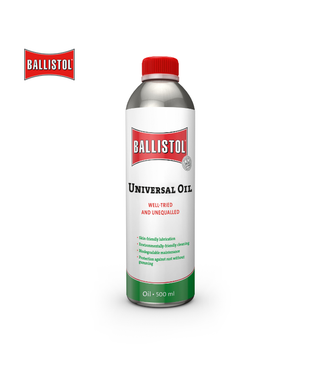
- Dry the tool, then wipe on a thin film of Ballistol Universal Oil and buff off the excess.
Ballistol Resin Remover comes in a 150 ml spray for the home workshop and larger 750 ml and 5 litre sizes for joinery shops. It is part of the Ballistol Technology range.
Which tools can you clean with resin remover?
Ballistol Resin Remover is made for cleaning resin off saw blades, chainsaw chains, planes, chisels and woodworking machinery. That covers circular saw, mitre saw and bandsaw blades, hand saws and pruning saws, plane soles and irons, chisels, router bits and planer knives.
For chainsaws, the bar groove and sprocket need their own steps, so follow our page on how to clean a chainsaw chain and saw blades. Secateurs and loppers gum up with plant sap in the same way, and our garden tool care guide covers sharpening and oiling them. More products for the bench are in our workshop and tools collection.
| Which product for which job | Product | Why |
|---|---|---|
| Sticky or baked-on resin on blades, planes and chisels | Ballistol Resin Remover | Softens resin so it wipes off without leaving residue |
| Protecting the steel after cleaning | Ballistol Universal Oil | Neutralises leftover cleaner and protects against rust |
| Oily grease and grime on metal parts, not resin | Ballistol Cold Degreaser | Strips grease from tools and machinery before oiling |
Is resin remover safe to use on every surface?
Resin remover is not for every surface. It is meant for alkali-resistant surfaces such as the steel of blades and tools, so test it on a hidden spot first on painted, lacquered or coated parts, and keep it off varnished wooden handles.
Always wear protective gloves, as the product instructions say, and keep the spray away from your eyes. Work with the door open or outside, and keep children and pets away while you clean. The Health and Safety Executive has guidance on hazardous substances in woodworking, including wood dust, which is worth reading if you run a workshop. Safety data sheets are on our technical data page.
Why should you oil tools after removing resin?
Tools should be oiled after resin removal because the cleaner leaves bare steel with no protection, and a cold garage or shed in a UK winter will put a bloom of rust on it within days. A thin film of oil neutralises leftover cleaner and keeps moisture off.
Ballistol has been made by F.W. Klever GmbH in Germany since 1904, and the maker recommends finishing with its Universal Oil after Resin Remover. The oil also makes the next lot of resin easier to clean off. Spray a little onto kitchen roll, wipe the blade and buff it so it doesn't feel wet. If rust has already started, our page on how to remove rust from tools covers what to do first, and our guide on how to stop rust on metal deals with damp storage.
How often should you clean resin off saw blades and planes?
Saw blades and planes need the resin cleaning off whenever you can see a brown glaze or feel the tool start to drag. With regular softwood work, check blades after every few hours of cutting, and clean them after every session on green or freshly felled timber.
Hardwoods such as oak and beech leave less resin, so blades last longer between cleans. A quick wipe with oil at the end of each session slows the build-up down.
How can you tell the tool is clean?
A tool that has been cleaned properly shows bright steel, or the original coating, with no brown or amber film when you look along it under a light. Saw teeth should look sharp-edged rather than rounded with deposit.
The real test is the cut. A clean blade goes through softwood with less effort and leaves no burn marks, and a clean plane slides easily and takes an even shaving. If the cut still burns after cleaning, the blade needs sharpening rather than more cleaning.
Questions people ask
What is the best way to remove sap from a saw blade? The best way to remove sap from a saw blade is to take it off the saw, spray it with a resin remover, leave it a few minutes and scrub the teeth with a brass or nylon brush. Wipe it clean and oil it before refitting.
Does resin remover work on epoxy resin? Ballistol Resin Remover is made for natural tree resin on woodworking tools and machinery, not for cured epoxy or other casting resins. For anything else, contact Ballistol UK before you use it.
Can you use resin remover on a chainsaw chain? Yes, Ballistol Resin Remover is suitable for chainsaw chains. Take the chain off, spray it, leave it a few minutes, brush and wipe it, then oil it and refill with proper chain and bar oil before use.
Do you need to oil tools after using resin remover? Yes, oil tools after using resin remover. The maker recommends a thin film of Ballistol Universal Oil to neutralise any remaining cleaner and protect the bare steel from rust.
Can resin build-up make a saw blade burn the wood? Yes, resin build-up on a saw blade adds friction, so the blade runs hotter and leaves burn marks on the cut. Cleaning the resin off usually cures it, and if it doesn't, the blade needs sharpening.
Ballistol Resin Remover comes in 150 ml, 750 ml and 5 litre sizes for home workshops, joiners and forestry work. For advice on cleaning a particular tool, call +44 (0) 7817 267314 or email sales@ballistol.co.uk.
More guides: How to Stop Rust on Metal · How to Clean Antique Furniture · How to Lubricate a Garage Door
Written by Ballistol UK. How we write and check our guides.
This guide is general advice. If you're unsure whether a product suits your item, contact Ballistol UK or a qualified professional first, and don't use it until your concerns have been answered.