Antique furniture gets dirty in its own way. Decades of wax, hand grease, smoke and dust build into a dark, tacky layer that hides the grain. The temptation is to strip it back. Don't. Under that grime sits the original finish and the patina, and patina is a large part of what an old piece is worth.
Knowing how to clean antique furniture is mostly about restraint. You take off the dirt, leave everything else, start with the gentlest method and stop as soon as the wood looks clean.
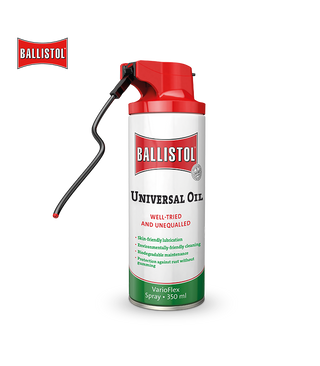
The short version: dust the piece with a soft dry cloth, then wipe it with a cloth barely damp with mild soapy water and dry it at once. Test on a hidden spot, then lift stubborn grime with a few drops of Ballistol Universal Oil on a soft cloth, working along the grain. Buff off every trace and leave it overnight.
In this guide
- Check the finish before you clean antique wood
- What you'll need
- How to clean antique furniture step by step
- How to clean wood furniture without removing the finish
- Stains, marks and sticky old polish
- Handles, hinges and the parts you don't see
- Keeping antique furniture in good condition
- Safety and what not to oil
- Questions people ask
Check the finish before you clean antique wood
Old furniture usually has one of four finishes, and they don't all like the same treatment.
- Wax or oil. Soft sheen, feels like wood. Common on oak and pine. This is what Universal Oil suits best.
- French polish (shellac). Deep, glassy shine, typical of Victorian mahogany. Easily marked by water and heat.
- Varnish or lacquer. A hard coat on top. Oil just sits on it, so a damp wipe is enough.
- Paint. Damp cloth only, no oil.
If you can't tell, put one drop of oil somewhere hidden, such as the back of a leg or the underside of a drawer rail. If it soaks in over a few minutes, the wood is bare, oiled or waxed. If it sits there as a bead, there is a hard finish on top. For a valuable piece with what looks like an original French polish, stick to dusting and a damp wipe and talk to a restorer before you do anything more.
What you'll need
- Three or four soft, lint-free cotton cloths. Old cotton T-shirts are ideal
- A soft brush, such as a clean 25 mm paintbrush or a soft toothbrush, for carving and mouldings
- A bowl of warm water with one small drop of washing-up liquid
- Ballistol Universal Oil. The bottle gives you better control on wood than the spray
- Cotton buds for corners and inlay
How to clean antique furniture step by step
- Dust it with a dry soft cloth, always along the grain. Brush out carving and mouldings. Grit rubbed across old wood leaves fine scratches.
- Test your soapy water on a hidden spot and wait a few minutes. If the finish clouds or softens, stop and keep to dry dusting.
- Wring a cloth out in the soapy water until it is barely damp and wipe a small area at a time, about 30 cm square. Dry each area straight away with a clean cloth. Water left standing lifts veneer and leaves white marks.
- Leave it an hour to dry, then test the oil on a hidden spot for 15 minutes.
- Put three or four drops of Universal Oil on a folded cloth and work it along the grain over one small area. Turn to a clean part of the cloth as grime comes away.
- Work a little oil into carving and corners with a cotton bud or the soft brush, then brush out anything left in the grooves.
- Buff the whole surface with a clean dry cloth until nothing comes off on your fingertip.
- Leave it overnight at normal room temperature before you put anything back on top.
As a guide, about 5 ml of oil, a teaspoonful, does the top of a small side table. A very dry piece may want a second thin coat the next day. If the surface feels tacky after buffing, you have used too much: go over it again with a clean dry cloth.
How to clean wood furniture without removing the finish
Abrasive pads, ammonia sprays, vinegar, meths and a wet cloth all eat into wax and shellac, so keep them away from old furniture.
A light oil works differently. Universal Oil has a low surface tension, so it creeps into the grain, joints and carving and softens old grime so it wipes off on the cloth, with no scrubbing. Ballistol makes it to protect and preserve natural wood, bring up the grain and guard against humidity, and antique furniture is one of the jobs it is meant for. It leaves a soft sheen rather than a gloss. The smell fades within a day or two.
Our wood care page covers oiling tool handles, benches and other bare wood.
Stains, marks and sticky old polish
Years of spray polish leave a cloudy, sometimes sticky film. Repeated passes with an oil-dampened cloth soften it so it comes off a little at a time, often over two or three evenings.
White rings and cloudy heat marks sit in the finish itself. On an everyday piece, a gentle rub with a little oil sometimes makes a faint mark less obvious. On anything valuable, leave them to a restorer. Black rings and ink stains are in the wood itself and won't clean off.
Lifting veneer, loose joints or a finish worn right through are restoration jobs. A member of the British Antique Furniture Restorers' Association (BAFRA) can advise.
Handles, hinges and the parts you don't see
Brass handles and escutcheons are best taken off if the screws come out easily, and cleaned separately. Universal Oil cleans brass and brings back the shine. Our page on how to clean brass, silver and chrome has the method. Don't use paste brass polish on handles still fitted to the furniture, because the paste works into the wood around them and dries white.
Give steel hinges, lock mechanisms and castors a drop of oil and work them back and forth. A leather desk top can take a thin coat too, after a hidden test; our guide on how to soften leather explains how.
Keeping antique furniture in good condition
In a British house the biggest risk to old furniture is central heating. Warm, dry air in winter shrinks the wood, splits panels and lifts veneer. Keep antiques at least a metre from radiators and out of direct sun, and check them each autumn when the heating goes on.
| Job | How often |
|---|---|
| Dust with a dry soft cloth | Weekly |
| Wipe with a barely damp cloth | A few times a year, or when grubby |
| Thin coat of Universal Oil, buffed off | Once or twice a year; each winter in heated rooms |
| Oil hinges, locks and castors | Once a year |
Safety and what not to oil
If you use the spray, use it in a ventilated room and keep the can away from heat and naked flames. Spread used cloths out flat to dry outdoors before you throw them away rather than screwing them up in a bin. Safety data sheets are on our technical data page.
Universal Oil is not for anything that touches food. For old bread boards, chopping boards and wooden kitchenware, use Ballistol H1 Food Oil instead. Keep oil off fabric upholstery, suede and painted surfaces.
Questions people ask
How do you clean antique furniture without stripping it? Dust it, wipe it with a cloth barely damp with mild soapy water, dry it straight away, then lift the remaining grime with a few drops of a light oil on a soft cloth. Buff off every trace. None of that touches the original finish or the patina.
Can you use spray polish on antique furniture? It is best avoided. Many contain silicone, which builds into a cloudy film that new finishes will not bond over. A thin oil or traditional wax is kinder.
Is vinegar safe for cleaning antique wood? Not on a wax, shellac or French polished finish. Vinegar is acidic and can dull or soften those finishes and leave a hazy patch. Mild soapy water on a well wrung cloth is safer.
How often should you oil antique furniture? Once or twice a year is plenty for most pieces. Furniture in a room with radiators or a wood burner dries out faster, so check it each winter and give it a thin coat if the wood looks pale or dry.
Will oil darken antique wood? Slightly, yes. Oil deepens the colour of bare and waxed wood by a shade and brings the grain up. Always try it on a hidden spot first and leave it 15 minutes before deciding.
Ballistol Universal Oil cleans, protects and brings up the grain on bare, oiled and waxed wood, and the same can looks after the brass handles and hinges. See the full Universal Oil range, or for advice on a particular piece call +44 (0) 7817 267314 or email sales@ballistol.co.uk.
More guides: How to Oil a Gun Stock · How to Soften Leather · How to Stop Rust on Metal
Written by Ballistol UK. How we write and check our guides.
This guide is general advice. If you're unsure whether a product suits your item, contact Ballistol UK or a qualified professional first, and don't use it until your concerns have been answered.