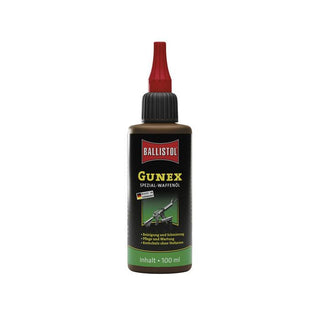
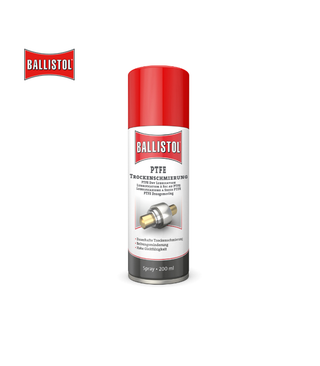
Ballistol Resin Remover softens the sap and resin that build up on hedge trimmer blades so it wipes away, and Ballistol Universal Oil then neutralises any cleaner left on the steel and leaves a thin film that keeps rust off in a damp van or store. For grounds and landscaping crews cutting hedges through the UK autumn and winter, those two products and ten minutes at the end of each day keep blades cutting cleanly and stop them seizing before spring.
In this guide
Winter is hedge season
For most crews, the heavy hedge work falls between September and February. In England, hedges on or next to agricultural land must not be cut or trimmed between 1 March and 31 August, with a few exceptions, and the GOV.UK hedgerow cutting rules set out the detail. Estates, councils and private clients book their boundary hedges into the same window.
That means cutting in wet weather, short daylight and temperatures that sit around 2 to 8°C. Conifer, laurel and privet all bleed sap, and the trimmers go back in the van at dusk, often still wet, for the drive back to an unheated store.
Sap, grit and a wet van
Sap is the main enemy. It dries to a hard, tacky layer on the blade faces and between the two reciprocating blades, and fine leaf debris sticks to it. The blades start to drag, the cut tears rather than slices, and a battery trimmer drains noticeably faster because the motor works harder for every metre of hedge.
Moisture finishes the job. Blades put away wet and coated in sap hold water against the steel, and a van or container that drops to near freezing overnight forms condensation on cold metal. After a weekend, the teeth show an orange bloom. After the Christmas break, dirty blades can be stuck together.
Resin Remover for the blades, Universal Oil for the finish
Sap and resin: Ballistol Resin Remover. Its product page covers cleaning resin and tree sap off tools and machinery, from saw blades to chainsaw chains. Spray it on, leave it a few minutes and the softened resin wipes off. It comes in 150ml, 750ml and 5 litre sizes, so each van can carry a small can.
Rust protection and the final coat: Ballistol Universal Oil. The Resin Remover maker recommends oiling the steel afterwards with Ballistol to neutralise any remaining cleaner and protect it from rust, and it makes the next day's sap easier to shift. Universal Oil does not resinify, so blades oiled before the Christmas break still move freely in January.
For the same problem on secateurs, shears and other hand tools, see our garden tool care page, and for saw chains, chainsaw and saw blade cleaning.
The ten-minute end-of-day routine
Stop the trimmer and remove the battery, or let a petrol machine cool and pull off the spark plug cap. Wear cut-resistant gloves: the teeth are sharp even when the machine is dead. Brush off leaves and twigs, then lay the trimmer on its side and spray both faces of the blade bar with Resin Remover, working along the full length. Leave it a few minutes, then wipe and brush the softened sap away, paying attention to the gap between the blades. Heavy deposits may need a second spray.
Once the blades are clean and dry, mist a light coat of Universal Oil along both sides, wipe off the excess with a rag and fit the blade guard. On a sappy job, a quick repeat at lunchtime saves a battle at the end of the day. For stubborn build-up on saws and other cutting tools, our guide on how to remove resin from tools goes into more detail, and how to stop rust on metal covers storage across the whole kit.
Where the oil shouldn't go
- Keep both sprays out of the motor vents, the battery and its contacts, and the air filter on a petrol trimmer.
- Universal Oil is not a gearbox grease. Grease the gearbox at the interval and with the grease the trimmer maker specifies.
- Wear protective gloves when using Resin Remover, as the product page instructs, and use it in the open air or a ventilated store.
- Aerosols are flammable. Never spray a hot petrol engine or exhaust, and keep cans away from heaters and naked flames in the store.
- Wipe the handles and grips clean of any overspray so the trimmer does not slip in a wet glove.
- Blunt or chipped teeth need sharpening or a new blade. Cleaning restores the cut only when the edge is still sound.
Signs the routine is working
The blades run freely with no hesitation at start-up, the cut stays crisp through a long privet run, and the battery lasts the shift it used to. Each morning the blades come out of their guards bright, with no orange at the tips. In March, when hedge season ends, the trimmers go into storage clean, oiled and ready for the late summer trim.
Buying for a business? See trade prices.
Questions people ask
How do you clean hedge trimmer blades? Switch the trimmer off and remove the battery or spark plug cap, brush off leaves and twigs, spray both sides of the blades with Ballistol Resin Remover, leave it a few minutes, then wipe and brush the softened sap away. Finish with a light coat of Ballistol Universal Oil before the guard goes back on.
What oil should I use on hedge trimmer blades? Use a light oil that leaves a thin film and does not turn sticky, such as Ballistol Universal Oil. It protects the steel from rust and neutralises any cleaner left behind after Resin Remover. Grease the gearbox only with the grease the trimmer maker specifies.
Why do hedge trimmer blades stick together? Usually dried sap and fine debris between the two blades, sometimes with rust on top after the trimmer has been put away wet. Soaking the blades with Resin Remover softens the sap so it wipes out, and an oil film afterwards stops rust forming.
How often should you oil hedge trimmer blades? At the end of every working day in hedge season, and before any trimmer goes into storage. On a long day in sappy hedges such as conifer or laurel, a quick clean and oil at lunchtime helps as well.
Written by Ballistol UK. How we write and check our guides.
This article is general advice. If you're unsure whether a product suits your item, contact Ballistol UK or a qualified professional first, and don't use it until your concerns have been answered.