Yes. Ballistol PTFE Spray suits the smooth rods, Z-axis lead screws and plastic sliding parts on FDM 3D printers, because it leaves a dry, non-conductive PTFE film that does not collect dust and grit the way an oil does. Use Ballistol Cold Degreaser to strip old, gummed lubricant first, and Ballistol Universal Oil to keep bare steel from rusting on printers that sit idle in a cold unit over winter.
In this guide
A bank of printers in a working space
Picture a prototyping corner in a machine shop or a small print farm in a rented unit: six to twenty FDM printers running long jobs overnight. The machines are built around a handful of moving parts. Steel smooth rods or linear rails carry the print head and bed, a lead screw lifts the gantry on the Z axis, and plastic or brass nuts and bushings ride on all of them.
Those parts live in a dusty place. Filament fluff, support scraps, sanding dust from post-processing and, in an engineering shop, fine swarf from the bench next door all settle on anything sticky.
What goes wrong
Most trouble starts with the lubricant rather than a lack of it. A wet grease or oil on a lead screw turns into a grey paste after a few weeks, the Z axis starts to bind, and the print shows regular ridges or layer shifts. Smooth rods that have been oiled heavily drip onto the bed, and a build plate with oil on it stops parts sticking.
Then there is the UK winter. An unheated unit drops to a few degrees overnight, and when the heaters come on in the morning, condensation forms on cold steel. Plain steel rods, lead screws and spares in a drawer soon show orange spots.
Which product goes where
Smooth rods, lead screws and plastic bushings: PTFE Spray. The solvent flashes off in a few minutes and leaves a thin layer of PTFE that cuts friction and stops parts sticking. The product page lists slide rails, linear guides, precision parts and mechanisms near electronics among its jobs, and it works on metal and plastic, so it suits a steel screw running in a printed or POM nut.
Cleaning off the old film: Cold Degreaser. It removes oil, grease and dried, resinified oil from metal and plastic parts. Spray it onto a lint-free cloth, not onto the printer, so it stays out of the electronics.
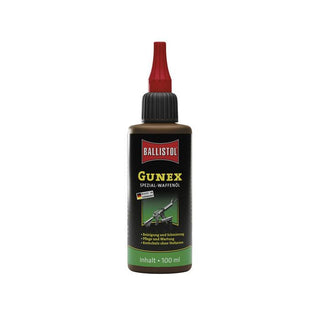
Rust protection on idle machines and spares: Universal Oil. A thin film keeps damp off steel and does not go sticky over months. It is the right choice for a printer being parked for the winter holidays, or spare rods and screws kept in a drawer. Wipe it off with degreaser and go back to PTFE before the machine returns to work.
Our guide to which lubricant spray to use for which job compares the range.
Applying it, briefly
Switch the printer off at the wall and let it cool fully. The hot end runs at around 190 to 260°C and the bed at 50 to 110°C, and both aerosols are flammable. Wipe each rod and screw with degreaser on a cloth, let it dry, then shake the PTFE can and spray a thin, even coat from 15 to 20cm. On a lead screw, turn the screw by hand while you spray so the coat goes all the way round. Leave it a few minutes, then jog each axis end to end a few times before printing.
Many shops check rods and screws monthly on a busy machine and re-apply when an axis sounds dry or squeaks. Where the printer maker gives a schedule, follow theirs.
Limits and safety
- Linear rails with recirculating ball carriages often call for a specific grease or oil in the carriage. Follow the rail or printer maker's instructions there; PTFE on the rail surface does not replace it.
- Keep everything off the build plate, the drive belts and the extruder's drive gear, where a slippery film causes poor adhesion, belt slip or under-extrusion. Mask them with paper if you spray near them.
- Keep sprays away from the hot end and the heated bed, and never spray a printer that is running or warm.
- Work with the windows or a door open, and let the solvent flash off before the printer is plugged back in.
- Printed parts vary. Test Universal Oil on a hidden spot of any plastic part you are unsure about.
What good looks like
The gantry moves freely by hand with the motors off, with no gritty feel or tight spots along the screw. Rods look faintly slick rather than wet. Layers stack evenly, without the regular ridges that a binding Z axis leaves. In January, the spare rods in the drawer come out bright, with no orange flecks.
The same rust problem hits every tool and spare in a cold workshop. Our guide on how to stop rust on metal covers the wider job, and Ballistol for industry and workshops shows where each product fits across a site.
Buying for a business? See trade prices.
Questions people ask
What lubricant should I use on a 3D printer? Use a dry PTFE lubricant such as Ballistol PTFE Spray on smooth rods, lead screws and plastic sliding parts, because it does not pick up dust the way a wet oil does. For ball-bearing rail carriages, use whatever the printer or rail maker specifies.
Can you use PTFE spray on 3D printer lead screws? Yes. Clean the screw first, spray a thin coat from 15 to 20cm while turning the screw, let the solvent flash off for a few minutes, then run the axis up and down to spread it into the nut.
How often should you lubricate a 3D printer? Follow the printer maker's schedule where there is one. Otherwise, check rods and screws monthly on a busy machine and re-apply when an axis sounds dry, squeaks or the print shows banding that cleaning fixes.
Can I use a multi-purpose oil on a 3D printer? Not as the everyday lubricant on rods and screws, because a wet film collects dust and filament fluff. Ballistol Universal Oil is useful for protecting bare steel from rust on printers stood idle or spare parts in storage, then you clean it off and go back to PTFE before printing.
Written by Ballistol UK. How we write and check our guides.
This article is general advice. If you're unsure whether a product suits your item, contact Ballistol UK or a qualified professional first, and don't use it until your concerns have been answered.